


News

Scaling solutions for low-emission economic growth in Asia: Bangkok workshop highlights pathways to tackle plastic pollution and cement emissions


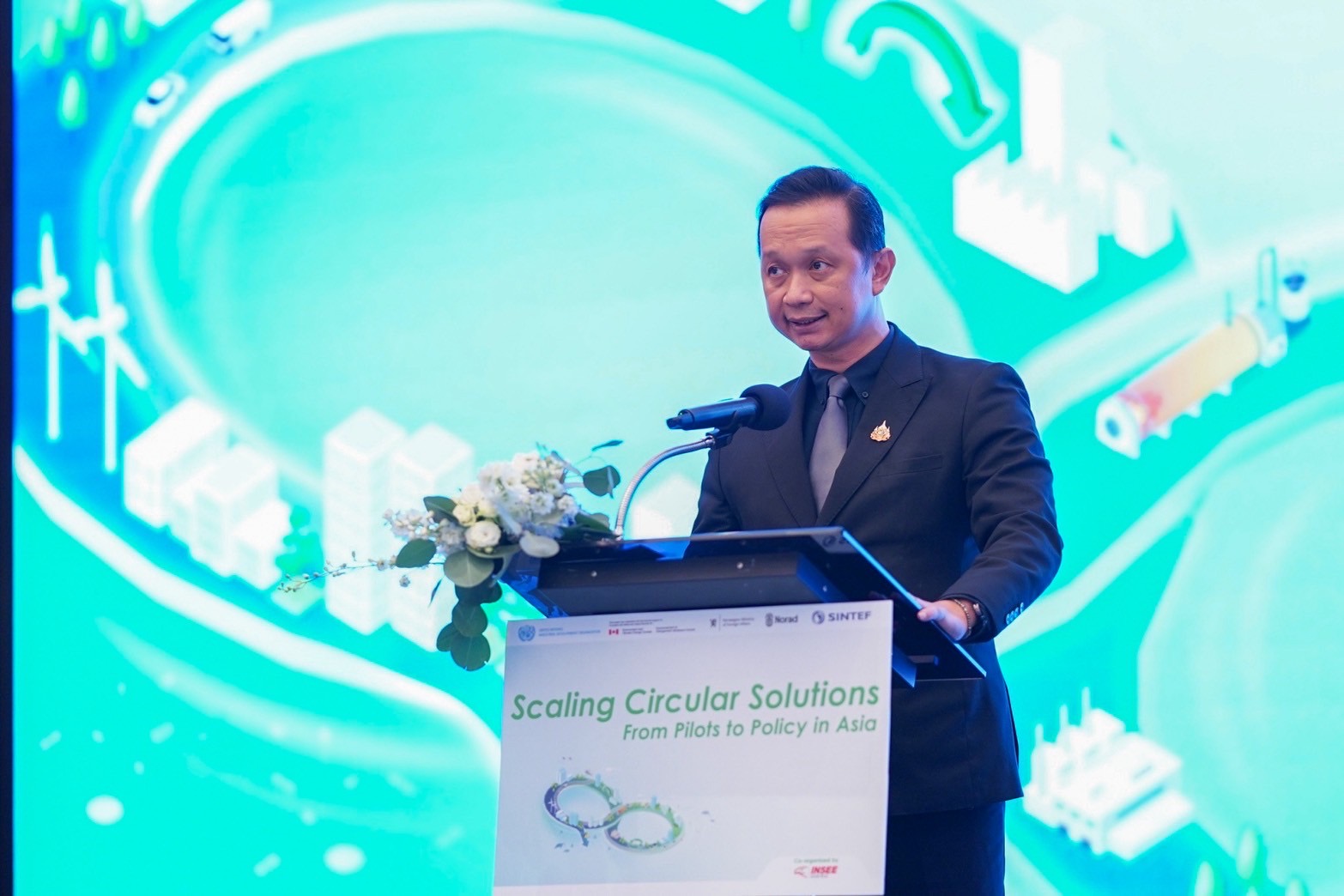
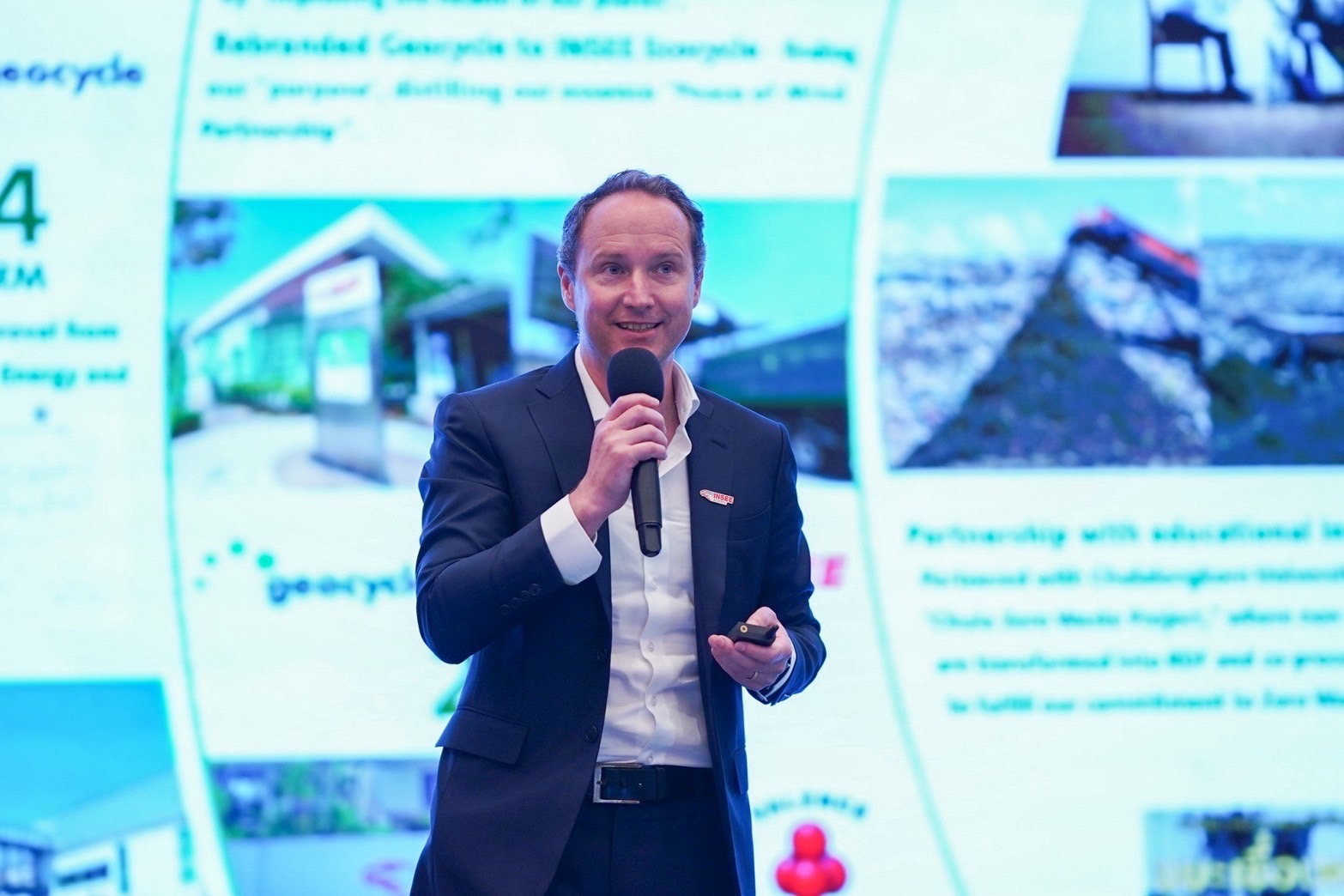
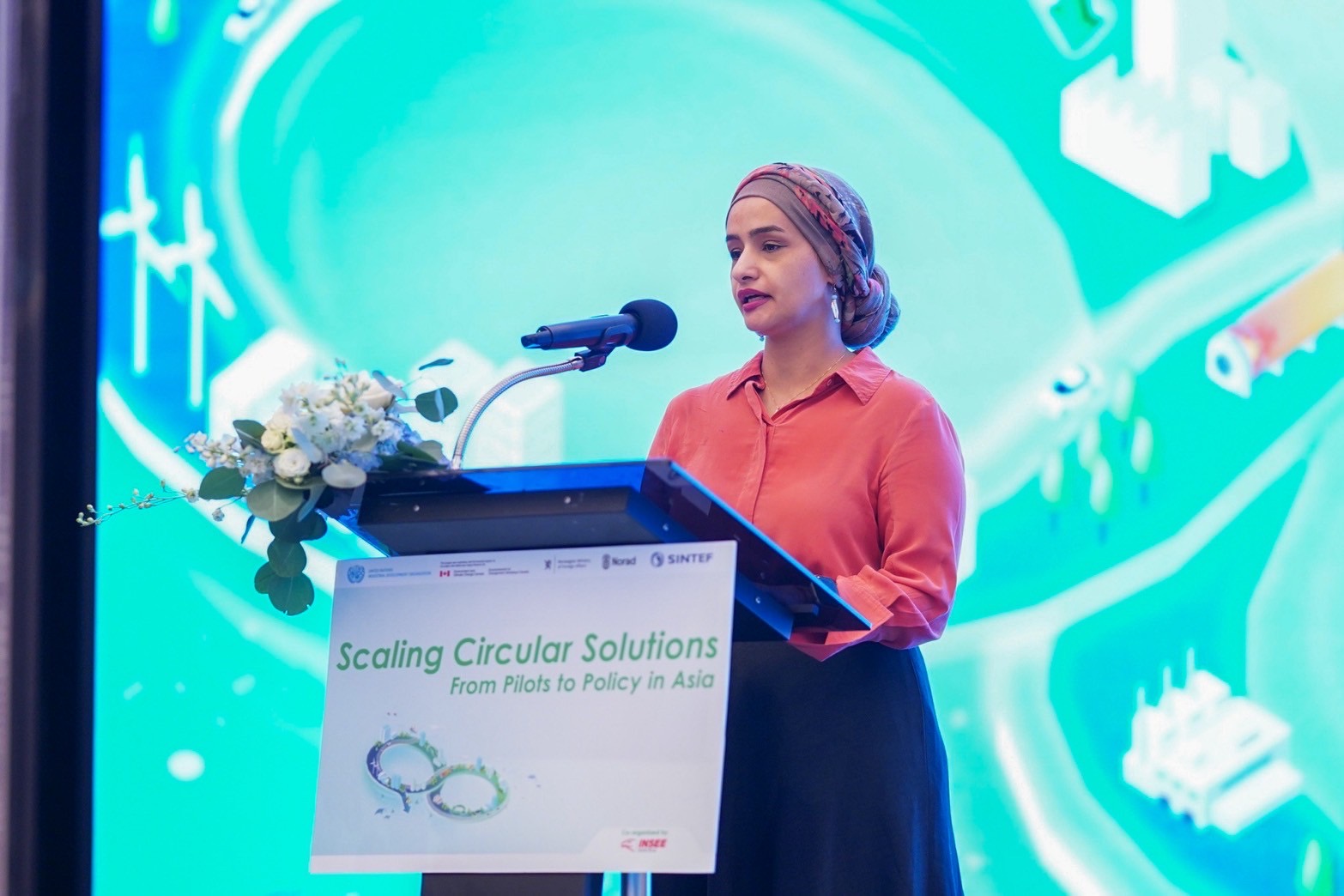
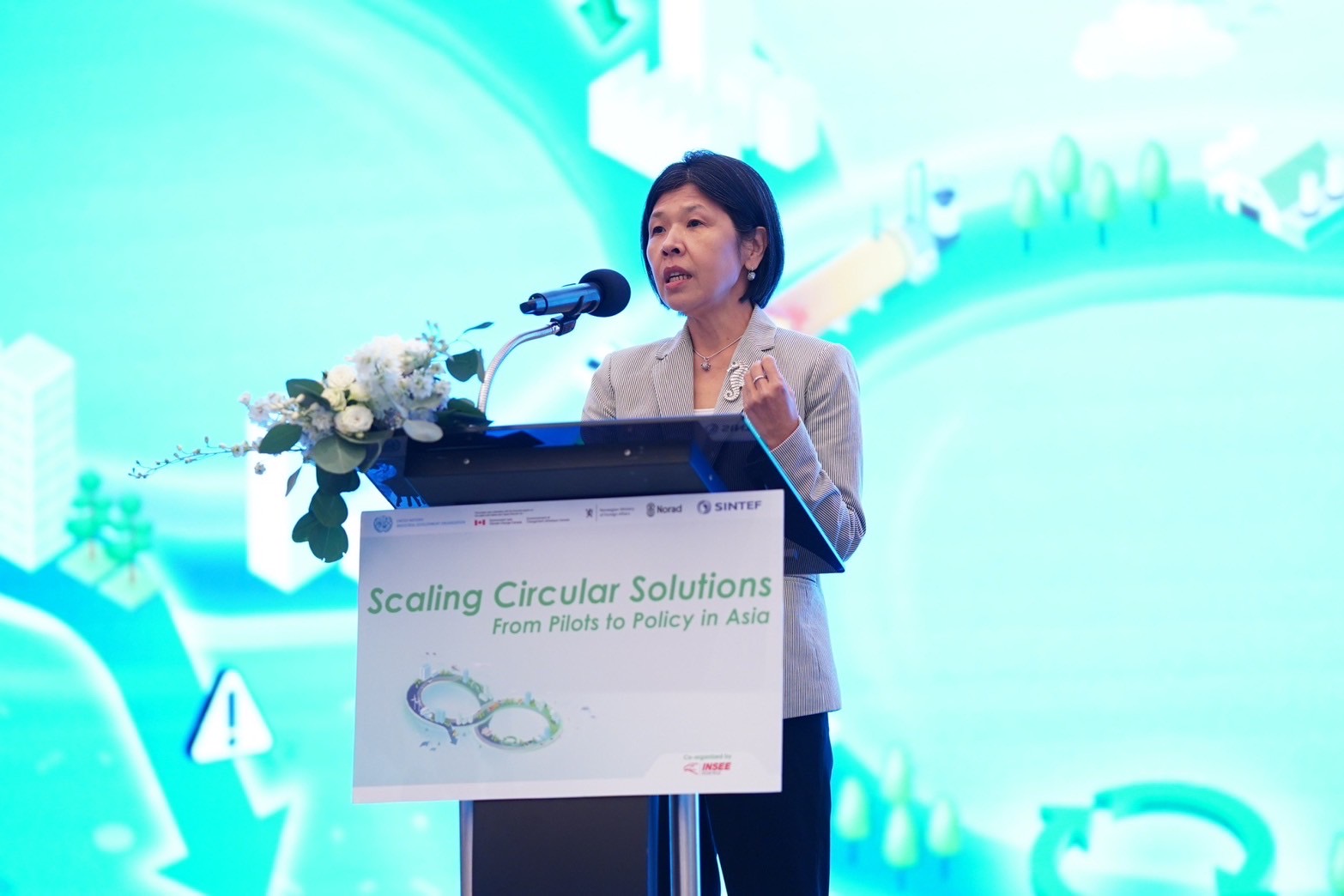
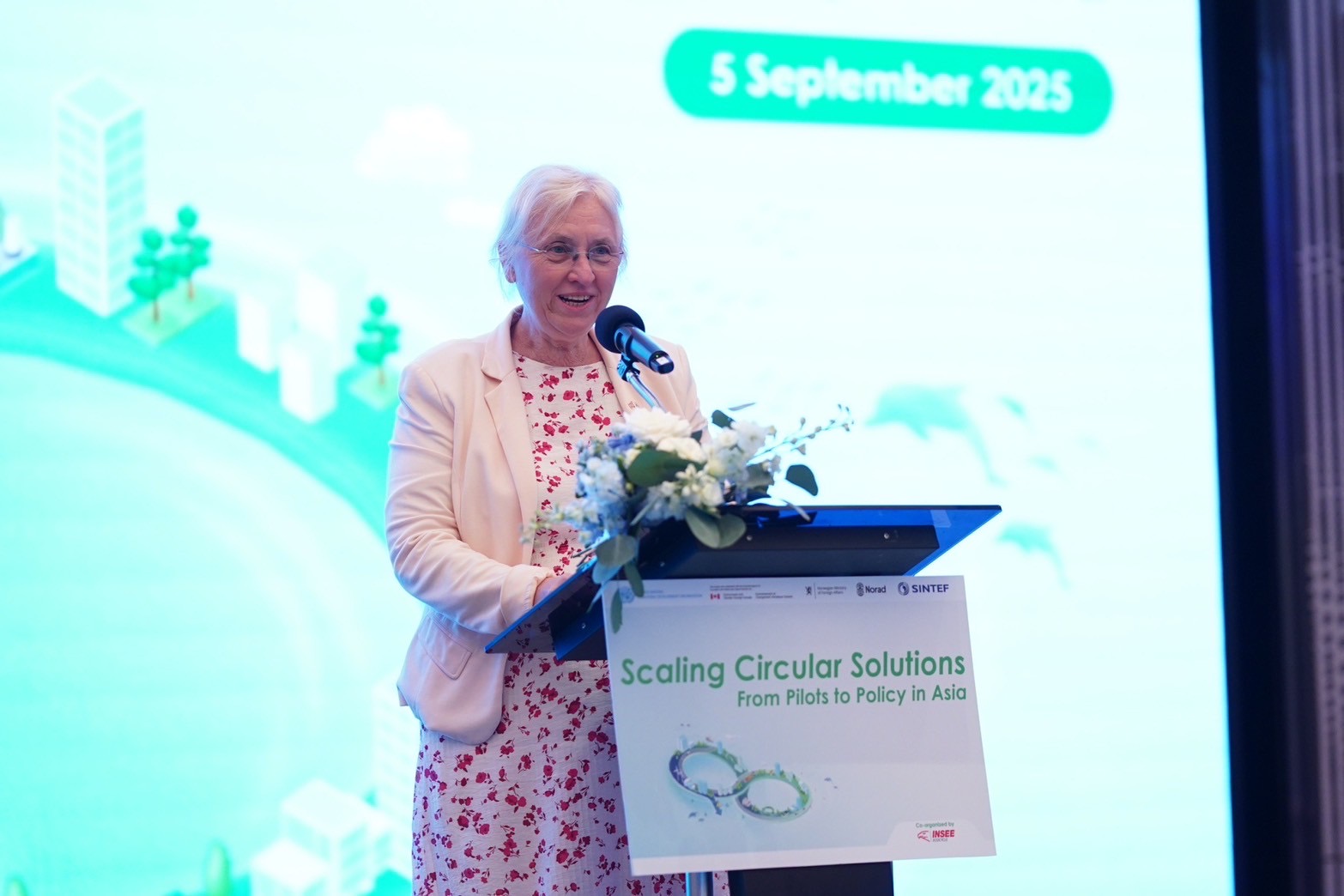
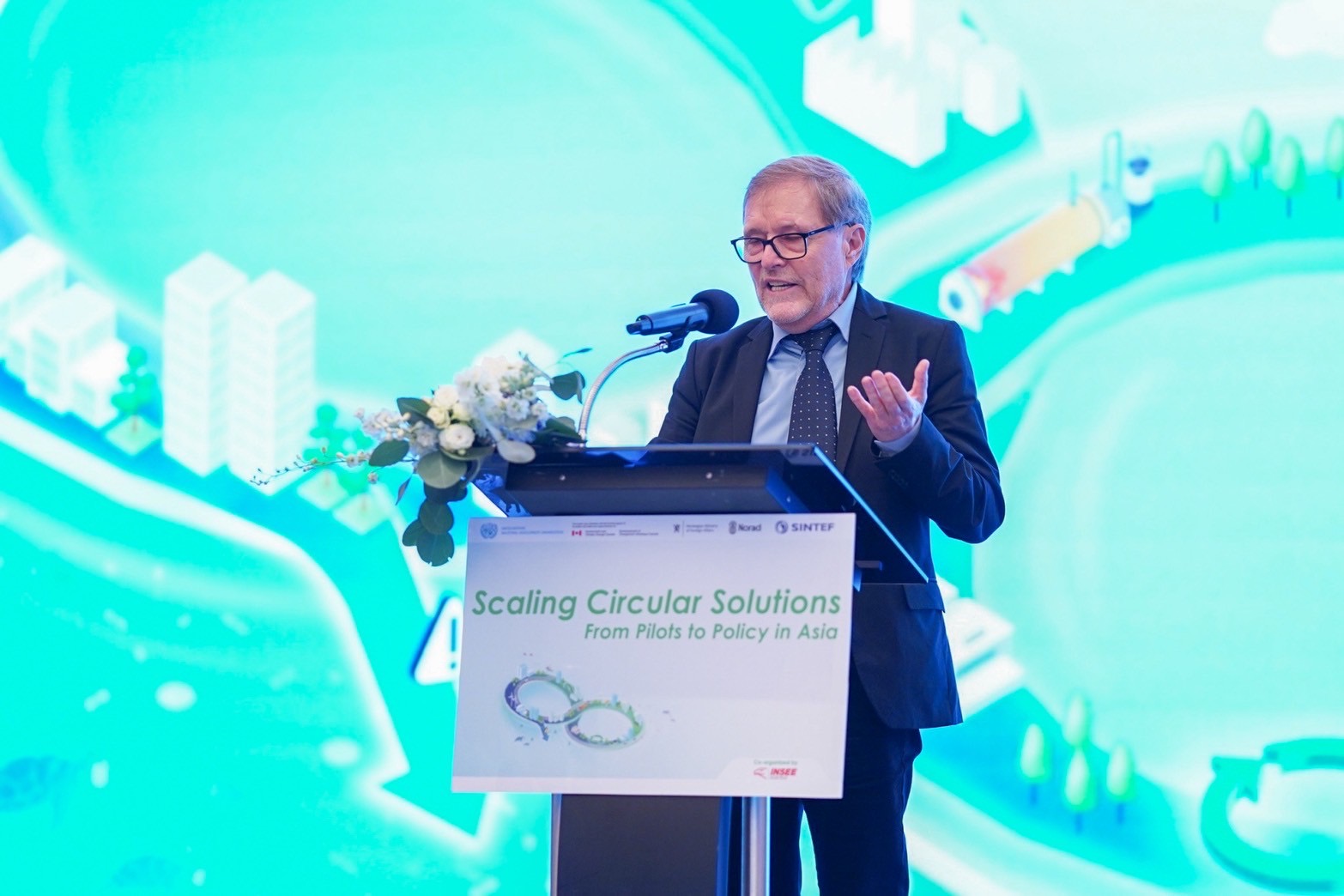
Bangkok, 5 September 2025 – As one of the most dynamic and diverse regions in the world, Asia is uniquely positioned to lead the transition toward sustainable, inclusive and low-emission industrial growth. However, the Asia region currently has the highest plastic consumption globally and produces two-thirds of the world's cement. Both sectors have significant climate and environmental impact.
Innovative circular economy and decarbonization solutions are urgently needed to shift away from traditional models of production and consumption and unlock new economic opportunities while safeguarding the planet.
Against this backdrop, government representatives, industry leaders, international organizations, and experts gathered in Bangkok for a high-level workshop on “Scaling Circular Solutions: From Pilots to Policy in Asia,” co-organized by the Foundation for Industrial and Technical Research (SINTEF) and the United Nations Industrial Development Organization (UNIDO).
The workshop builds on the outcomes of two flagship initiatives: the Norwegian-funded “Ocean Plastic Turned into an Opportunity in Circular Economy” (OPTOCE) project, and the Environment and Climate Change Canada-funded “Decarbonization of the Cement and Concrete Sectors in Thailand” project, implemented by UNIDO.
Participants shared key lessons learned from the OPTOCE pilot project, which demonstrated the use of cement kilns as safe and effective facilities for co-processing non-recyclable plastics, contributing to reducing both plastic pollution and fossil fuel use.
The outcomes of the Decarbonization of the Cement and Concrete Sectors in Thailand project were also presented, showcasing how innovation, policy, and finance can work together to drive sustainable industrial transformation. The project is analyzing the potential to decarbonize the cement sector through enhanced circularity, co-processing and improved waste management systems in Thailand.
The workshop stressed the pivotal next steps: scaling up effective pilot solutions into national strategies which reduce plastic waste and lower carbon emissions, including practical policy tools such as extended producer responsibility (EPR) frameworks and emerging technologies that can accelerate circularity and decarbonization.
Participants explored investment-ready models for scaling waste-to-resource initiatives, demonstrating how circular approaches can be both environmentally impactful and economically viable. Recognizing the cross-border nature of these challenges, the workshop emphasized the need for stronger regional collaboration and deeper public–private partnerships to scale proven solutions.
Astrid Emilie Helle, Norwegian Ambassador to Thailand: “Norway gives high priority to support practical, science-based solutions to the plastic and climate crises. The OPTOCE project has shown that with the right partnerships, waste can be turned into an opportunity in reducing pollution, cutting emissions and creating value. We look forward to seeing these results scaled across Asia.”
“Through OPTOCE, we have shown that co-processing non-recyclable plastics in cement kilns is technically feasible, environmentally safe, and delivers large-scale impact quickly. The next step is to move from pilots to policy, embedding this solution in national strategies so Asia can lead on tackling plastic pollution and decarbonizing industry,” said Dr. Kåre Helge Karstensen, Chief Scientist and Programme Manager of OPTOCE.
Bruno Fux, Chief Executive Officer of INSEE Ecocycle: "For years, we have been recovering waste from dumpsites in Thailand to produce Refuse-Derived Fuel (RDF). We found that low-value plastics make up a large portion of this waste, and they often reach waterways and the ocean. By converting them into energy for cement production, we replace fossil fuels, reduce landfill use, and help protect the marine environment. We continue to actively participate in the OPTOCE project, collaborating with all stakeholders, and remain committed to sustainability."
Ping Kitnikone, Ambassador of Canada to Thailand: “Canada remains committed to fighting climate change and building a sustainable path forward. We know that real progress in reducing emissions, building resilience, and shaping a green future require global solutions. We need strong partnerships—especially in the Indo-Pacific. By embracing circularity in the long-term, we can adapt our systems to minimize environmental harm and promote sustainability.”
The workshop is part of a series of regional engagements leading up to a similar event in Hanoi in October with the aim of informing national policies and international dialogue, including the ongoing global plastics treaty negotiations. It is also part of UNIDO decarbonization efforts in the region and globally to facilitate technology transfer and investment, build capacity and raise awareness on industrial decarbonization.
Rasha Abdrabu of UNIDO: “We need to accelerate our efforts. We need to work together to build alignment and momentum towards accelerated and scaled up financing for industrial decarbonization.”
Press Contacts: · SINTEF – Dr Kåre Helge Karstensen, Chief Scientist and Programme Manager, khk@sintef.no, Phone: +47 930 59 475 (WhatsApp), https://optoce.no/ and https://www.sintef.no/en/ · UNIDO – Rasha Abdrabu, Industrial Development Expert, r.abdrabu@unido.org
Note to editor:
The OPTOCE project, funded by the Norwegian Ministry of Foreign Affairs and implemented by SINTEF, has piloted the use of cement kilns as safe and effective facilities for co-processing non-recyclable plastics. By replacing fossil fuels and diverting plastic waste from landfills and waterways, the project has contributed to reduced greenhouse gas emissions, cleaner environments, and improved resource efficiency.
Key results from OPTOCE include:
- Demonstrating the technical and environmental feasibility of co-processing solutions in Bangladesh, Cambodia, China, India, Philippines, Sri Lanka, Thailand, and Vietnam.
- Diverting approximately 1 million tonnes per year of non-recyclable plastic waste from landfills and other high-leakage sources.
- Replacing around 0.5 million tonnes per year of coal in cement kilns with waste-derived fuels, thereby reducing CO₂ emissions both directly (through fuel substitution) and indirectly (through avoided plastic leakage).
- Producing and sharing knowledge through more than 20 peer-reviewed technical articles, books and book chapters, and delivering nearly 100 presentations at international conferences.
- Strengthening regional knowledge networks and contributing to policy reforms.
The Decarbonization of the Cement and Concrete Sectors in Thailand project, funded by Environment and Climate Change Canada (ECCC) and managed by UNIDO, is aimed at advancing industrial decarbonization initiatives in the cement and concrete sectors. Through this project, UNIDO brings together government, industries, and financial stakeholders to develop practical decarbonization strategies and solutions to enable Thailand to reach its net-zero goals and pave way for greener growth in the sector. The project includes workstreams for policy, innovation, investment and technology demonstration, standards and partnerships. The project activities include:
- Enhancing the capacity of policymakers and offering technical support to leverage national regulations and policies.
- Pioneering a national innovation acceleration program to support entrepreneurs in developing ground-breaking solutions, facilitating connections with industries seeking such technologies.
- Strengthening public-private cooperation and partnerships, including business mentorship, with a focus on active involvement of women and youth.
- Providing technical and financial aid to implement pilot technology demonstration projects, showcasing significant reductions in greenhouse gas emissions. These projects are designed to be scalable through co-financing mechanisms.
- Advocating for standards and practices conducive to low-carbon cement and concrete production, in particular Green Public Procurement (GPP).
- Facilitating south-south triangular cooperation by disseminating experiences and lessons learned from Thailand to other countries within the region, thereby fostering knowledge exchange and collaborative efforts toward sustainable industrial practices.