




Biodiversity

INSEE JOINED HANDS TO CONSERVE BIODIVERSITY AND PROMOTE SUSTAINABLE VALUES AT THE PHU MY SPECIES AND HABITAT CONSERVATION AREA


With a commitment to sustainable development closely tied to environmental responsibility and support for local communities, INSEE continues to implement practical initiatives to conserve biodiversity in An Giang Province. In Q3 2026, INSEE organized a tree-planting and handover activity, providing 18,300 Melaleuca trees to representatives of the Phu My Species and Habitat Conservation Area, contributing to ecosystem restoration and the preservation of the area’s distinctive natural habitats.
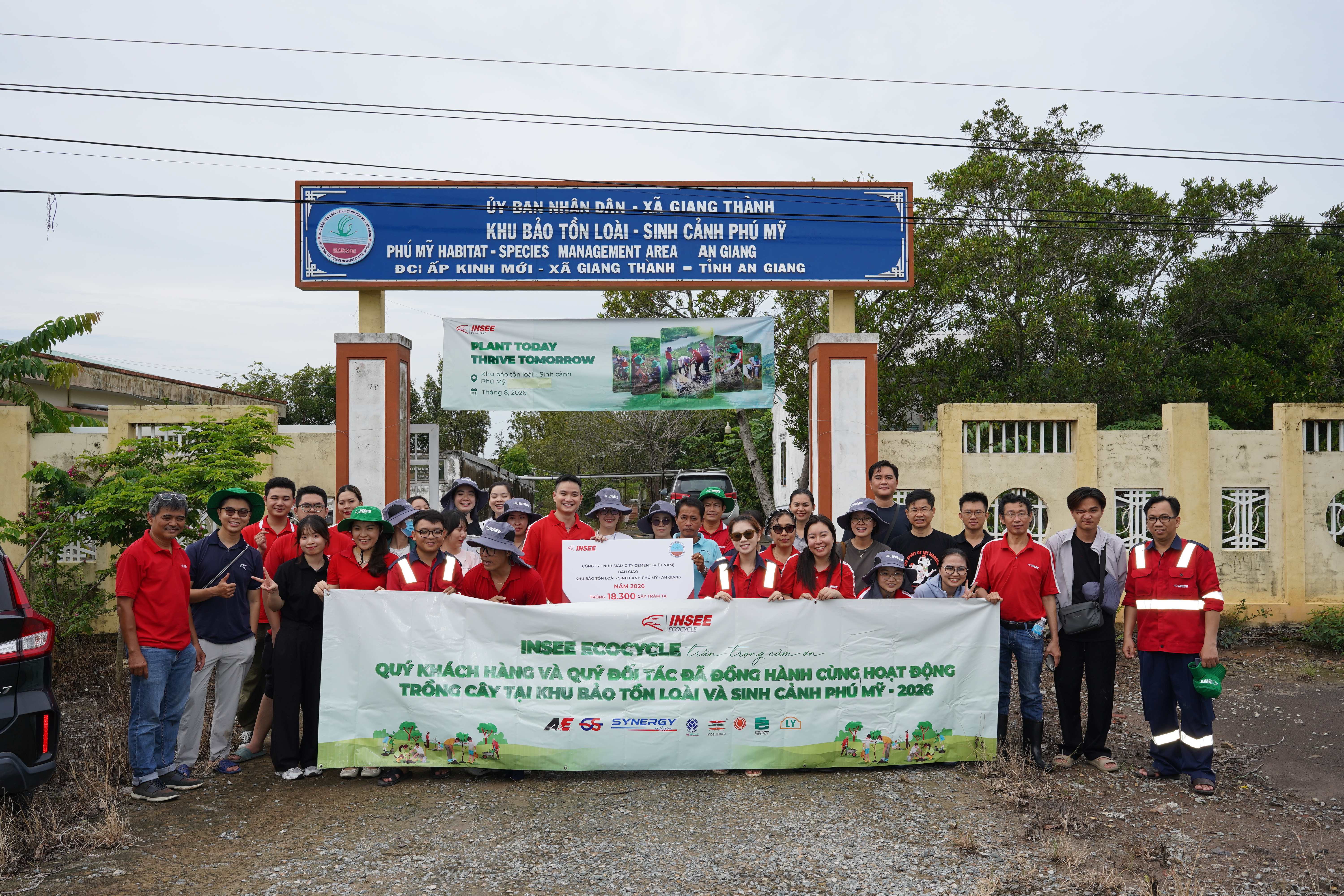
Picture 1: INSEE sponsors and plants 18,300 Melaleuca trees at the Phu My Species and Habitat Conservation Area in 2026
At INSEE, biodiversity conservation is not only an environmental objective, but also a key strategic priority in the company’s sustainable development journey. INSEE aims not only to minimize the environmental impacts of its operations, but also to actively contribute to ecosystem restoration, protect native species and habitats, and create long-term positive value for local communities. Through a holistic approach, INSEE is gradually integrating nature conservation with capacity building, ecological restoration, and livelihood development, striving for harmony among industrial activities, nature, and community well-being.
Previously, INSEE collaborated with the Conservation Area Management Board to clear and control invasive vegetation along a 5-kilometer canal within the conservation area, removing two common invasive species: Mimosa pigra and water hyacinth. These fast-growing species can outcompete native vegetation, obstruct waterways, and negatively affect water quality and natural habitats. Following this initiative, in August 2026, INSEE handed over and planted 18,300 Melaleuca trees, a species well suited to the local habitat. Of these, 10,000 trees were planted to replace trees that did not survive from the program implemented two years earlier, while 8,300 were newly planted under the 2026 Biodiversity Conservation Plan. In 2026, INSEE will also plant an additional 3,000 native trees at each of the two sites within the Hon Chong Habitat Conservation Area and at the INSEE Hon Chong Plant. These initiatives form part of INSEE’s roadmap toward achieving Net Positive Impact (NPI) on biodiversity by 2030, demonstrating the company’s commitment not only to reducing its impact on nature but also to actively restoring ecosystems and creating positive value for biodiversity.
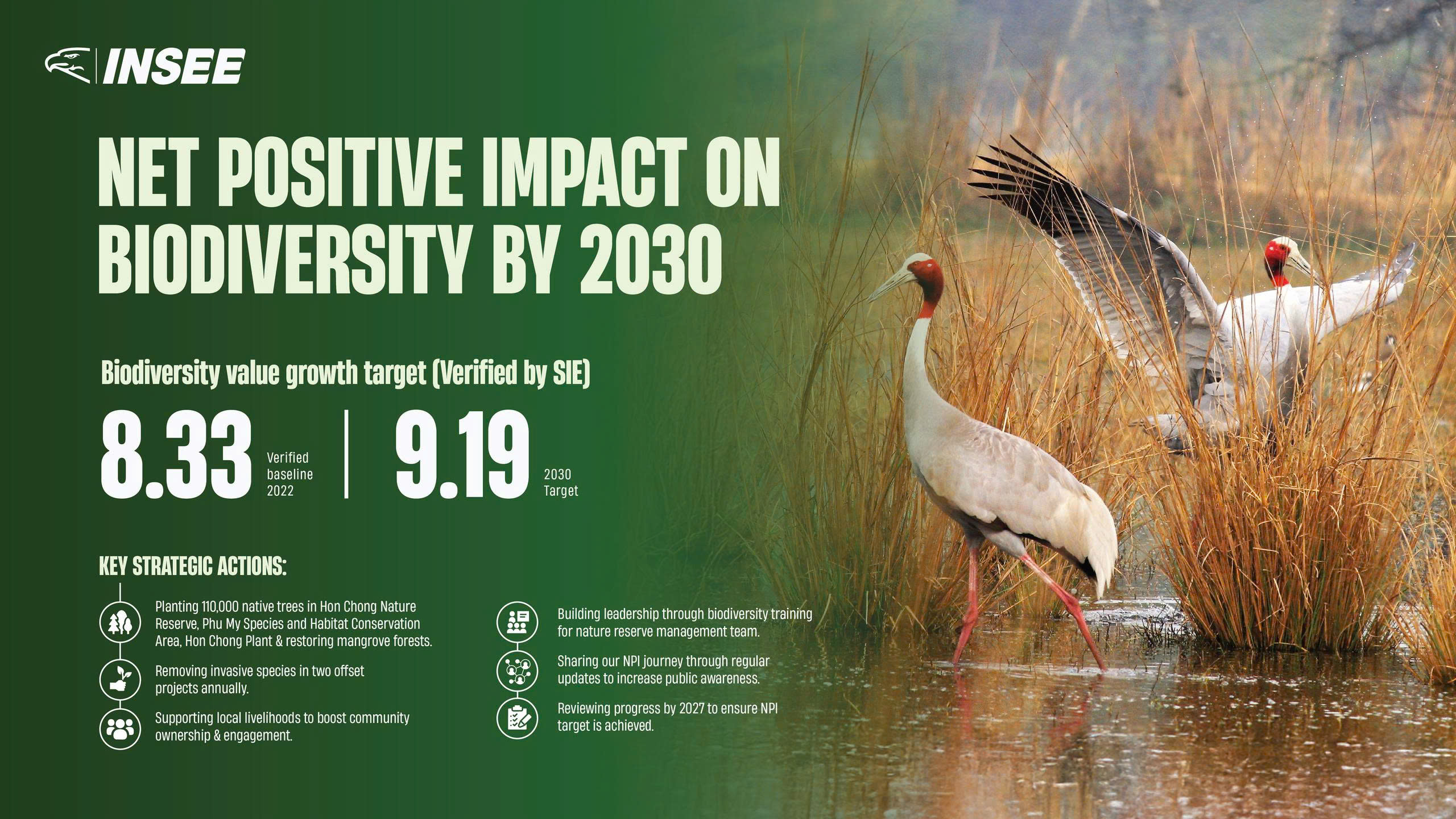
Picture 2: INSEE Vietnam’s roadmap toward achieving Net Positive Impact on biodiversity by 2030
Alongside habitat restoration, INSEE also places strong emphasis on strengthening the capacity of those directly involved in conservation efforts. The company has organized training sessions and provided technical knowledge to representatives of the Management Board of the Phu My Species and Habitat Conservation Area, helping strengthen their capacity to manage, maintain, and protect the area’s unique ecosystem. This approach reflects INSEE’s commitment to a long-term conservation model in which local knowledge and capacity serve as the foundation for sustaining the effectiveness of conservation initiatives beyond the implementation phase.
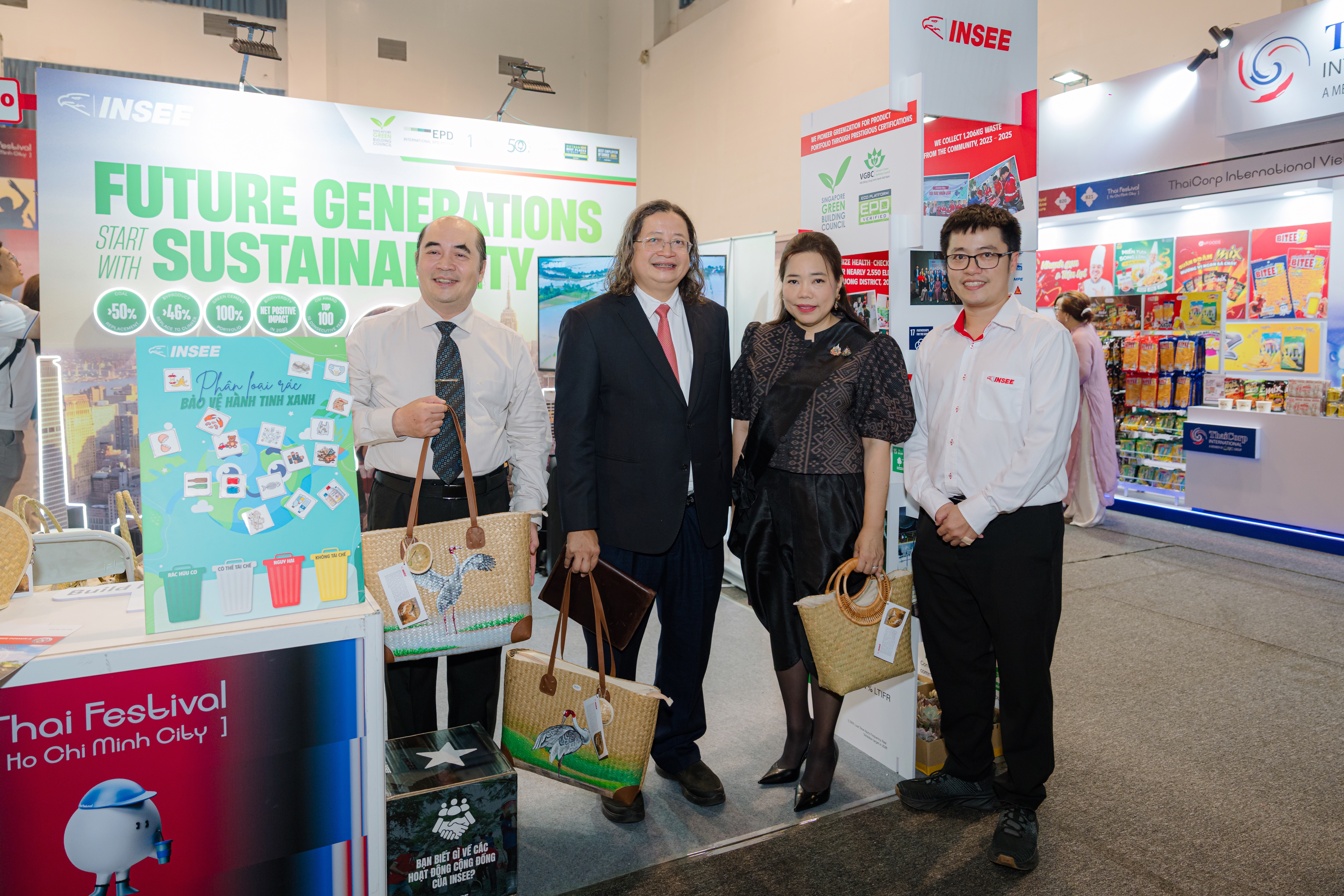
Picture 3: INSEE presents the Royal Thai Consulate-General in Ho Chi Minh City and VIP guests with handcrafted products made from Lepironia articulata (grey sedge) – products that reflect the local identity while contributing to INSEE’s biodiversity conservation and sustainable livelihood development journey in An Giang
Importantly, INSEE’s conservation efforts in Phu My also extend to community livelihoods. Through its collaboration with the Phu My Women’s Union, INSEE supports the market development of grey sedge handicraft bags, traditional products made from a native plant characteristic of the Phu My area. Connecting conservation with livelihoods not only increases the value of local natural resources but also creates additional income opportunities for local residents, encouraging the community to actively participate in protecting and preserving the ecosystem.
From the Melaleuca trees planted and habitats restored, to knowledge shared and local products given greater access to markets, INSEE is gradually building a comprehensive and long-term conservation journey—one where nature, communities, and industrial activities come together to create positive value for the future.
Through its biodiversity initiatives in An Giang Province, INSEE continues to reaffirm its commitment not only to minimizing environmental impacts, but also to actively creating positive contributions to the environment and community development. These efforts represent an integral part of INSEE’s sustainable development journey in the communities where it operates.